Blog

  • A Healthy Meal Plan

    Creating a balanced meal plan is essential for maintaining optimal health and well-being. A healthy meal plan should include a variety of food groups to ensure you’re getting all the necessary nutrients. Start with whole grains, lean proteins, healthy fats, and a colorful array of fruits and vegetables. For breakfast, consider oatmeal topped with fresh berries and a drizzle of honey, or a smoothie packed with spinach, banana, and almond milk. Lunch could consist of a quinoa salad with mixed greens, cherry tomatoes, chickpeas, and a light vinaigrette. Dinner options may include grilled salmon with steamed broccoli and sweet potatoes, providing a satisfying blend of protein and vitamins. Don’t forget healthy snacks like nuts, yogurt, or sliced veggies with hummus to keep your energy levels stable throughout the day.

    Planning for Success: Tips for Sticking to Your Meal Plan

    To make your healthy meal plan sustainable, meal prepping is key. Set aside time each week to prepare your meals in advance, which can save time and reduce the temptation of unhealthy choices. Create a shopping list based on your meal plan to avoid impulse buys and ensure you have all the ingredients you need. Additionally, listen to your body and adjust portion sizes according to your activity levels and hunger cues. Staying hydrated is also vital, so include plenty of water throughout your day. By following these steps and incorporating a variety of foods, you’ll not only nourish your body but also develop a lifelong healthy eating habit. Healthy Meals Delivered

  • Homes for Sale in Sonoma, CA

    Sonoma, California, is a picturesque destination known for its stunning landscapes, world-class wineries, and charming downtown area. The real estate market in Sonoma offers a diverse range of homes, from quaint cottages to luxurious estates, catering to various lifestyles and budgets. Potential buyers can find properties nestled amidst rolling vineyards, historic buildings, and serene parks. The appeal of Sonoma lies not only in its breathtaking views but also in its vibrant community atmosphere, making it an ideal place for families, retirees, and anyone seeking a peaceful yet engaging environment. With a strong demand for homes in this area, interested buyers are encouraged to act quickly to secure their dream property.

    The buying process in Sonoma can be competitive, so working with a knowledgeable real estate agent is essential. They can provide insights into market trends, help navigate the negotiation process, and ensure that buyers find the best home that meets their needs. Moreover, Sonoma boasts excellent amenities, including top-rated schools, fine dining, and outdoor activities, which add to its charm. Whether you envision a cozy retreat or a sprawling estate, the homes for sale in Sonoma, CA, offer unique opportunities to experience the beauty and lifestyle of this enchanting region. With its captivating scenery and welcoming community, now is the perfect time to explore the real estate options in Sonoma and find your ideal home. Sonoma home sales

  • Napa ca real estate

    Sonoma County Welcome to Sonoma County A captivating region nestled in the heart of Northern California’s wine country. With its picturesque landscapes, world-renowned vineyards, and charming communities, Sonoma County offers a truly exceptional living experience. Napa ca real estate

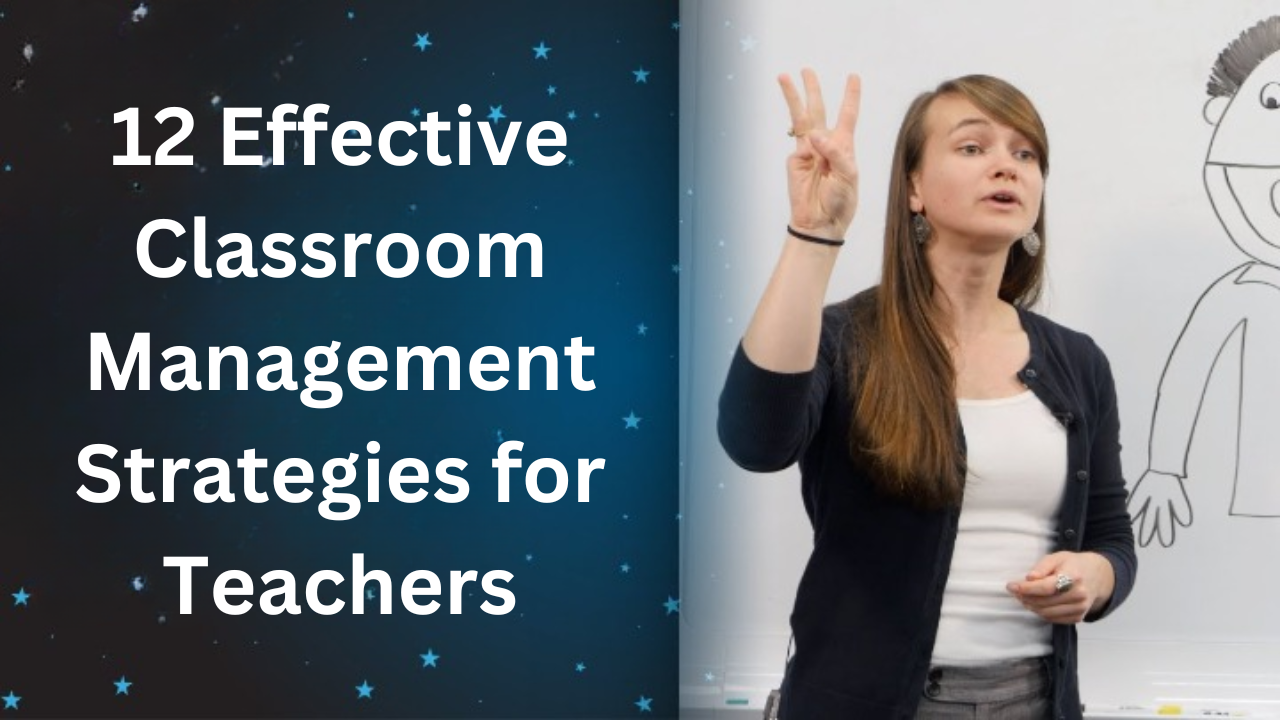
  • 12 Effective Classroom Management Strategies for Teachers:

    12 Effective Classroom Management Strategies for Teachers:

    Effective teaching requires good classroom management. It ensures that both teachers and students can succeed reduces disturbances and helps to create an environment that is favorable to learning. Even the most interesting lesson plans can go south in the absence of effective classroom management techniques. Effective educators can uphold discipline while simultaneously cultivating a happy productive learning environment. These are 12 ideas for efficient classroom management that educators can use to improve their learning environment.

    1. Establish Clear Expectations:

    Setting clear expectations and rules for classroom behavior at the start of the school year is crucial. Describe what is and is not appropriate behavior and what happens when it is not followed. Pupils need to know what is expected of them because they feel more secure and are more likely to comply with the rules when these expectations are consistently upheld.

    One effective way to do this is by involving students in creating the rules. When they have a say in classroom norms, they are more likely to take ownership and follow them.

    2. Create a Positive Learning Environment:

    Respect and involvement in the classroom are fostered by a positive atmosphere. Make sure that pupils feel heard and respected to encourage this. Say hello to each student by name promote involvement and acknowledge their accomplishments. A friendly environment encourages teamwork and lessens behavioral problems.

    The aesthetics of the classroom are also important. Maintain a visually appealing well-lit and orderly space. Students feel more at ease and motivated to learn in a welcoming environment which can aid in behavior management.

    3. Build Relationships with Students:

    One of the most effective methods for managing a classroom is to develop a close rapport with the students. Students are more likely to respect the teacher and one another when they feel heard and valued. Spend some time getting to know the strengths interests and personalities of each student. Be genuinely concerned about their welfare both in terms of their studies and their personal lives.

    Little actions like enquiring about their day or praising their work go a long way toward building a relationship based on mutual respect and trust which in turn encourages improved behavior in the classroom.

    4. Develop Consistent Routines:

    Students benefit from routine because it provides structure and predictability in the classroom and lets them know what to expect. Establish definite protocols for routine tasks like entering the classroom handing in assignments and switching between assignments. Students focus more on their learning and spend less time figuring out what to do when routines are followed consistently.

    Charts or other visual aids can be used to break down routines for younger students. Reducing chances for disruptive behavior and removing confusion are two benefits of consistency.

    5. Use Positive Reinforcement:

    By giving students praise when they behave well positive reinforcement promotes good behavior. Such rewards could be stickers or more recess time or they could be verbal commendation or a point system. In addition to encouraging positive behavior positive reinforcement increases student’s motivation and sense of self-worth.

    Keep in mind though that intrinsic motivation and extrinsic rewards must be balanced. Not just because they will receive rewards but also because it is morally right should motivate students to behave well.

    6. Be Fair and Consistent:

    People pick up on injustice or inconsistency quickly. Regardless of the identity of the student, it is critical to consistently apply the rules and consequences. In the classroom favoritism or the appearance of it can breed animosity and disruptive conduct.

    Make sure the sanctions you apply for breaking the rules are uniform fair and proportionate. Students will learn that all behaviors whether good or bad have consequences as a result of this which also fosters trust.

    7. Use Proactive Classroom Management:

    Anticipate possible disruptions and take early action to address them to prevent problems before they arise. For example, if you notice that a student is becoming distracted redirect their attention before they fully disengage. Use a fast attention-grabber technique to get the class back on track if they start to get rowdy.

    By being proactive in classroom management teachers can help students stay on task and minimize the need for disciplinary action.

    8. Teach Self-Regulation Skills:

    People particularly the younger ones frequently require assistance in developing emotional and behavioral self-control. Instruct students in self-regulation skills such as counting to ten deep breathing and taking brief breaks when they feel stressed or overwhelmed.

    Self-regulation is a key component of student’s emotional growth and independence and it also helps them control their behavior.

    9. Use Clear and Direct Communication:

    Employ straightforward language whether speaking to the class as a whole or to specific students. Keep instructions clear to prevent confusion and misbehavior. When describing tasks offering criticism or talking about behavior be succinct and precise.

    Also crucial is nonverbal communication. Make sure your tone conveys the gravity of the situation keep appropriate eye contact and make appropriate gestures. Respect and authority can be fostered through positive body language.

    10. Implement Group Management Techniques:

    Classroom management is heavily influenced by group dynamics. Employ group management strategies to promote cooperation and constructive peer relationships. Teamwork can be enhanced and negative behaviors can be decreased through group activities cooperative learning and peer mentoring.

    Assign roles to group members and make sure all students take responsibility for their contributions to manage group work effectively. By doing this one student can’t control the class or start problems.

    11. Provide Clear Consequences:

    There must be unambiguous consequences for inappropriate behavior in addition to the crucial role that positive reinforcement plays. Pupils must comprehend that disobeying the rules has consequences. Immediate equitable and behavior-proportionate consequences are what are needed.

    Loss of privileges a note home or a short time-out are typical penalties. The secret is to turn the consequence into an opportunity for learning rather than a penalty. Talk about the behavior with the students and assist them in understanding why it was improper as well as future improvement strategies.

    12. Reflect and Adjust as Needed:

    There isn’t a one-size-fits-all strategy for classroom management. What is effective for one set of students might not be for another. Regularly review your classroom management techniques and keep an open mind about making changes. Get input from peers and students pay attention to how students behave and adjust your strategy as needed.

    To enhance classroom management effective teachers are adaptable and eager to try new things. Never be afraid to make changes to an approach that isn’t working to better meet the needs of your students.

    Conclusion:

    Effective classroom management is key to creating a learning environment where students can thrive. By setting clear expectations, building relationships, being consistent, and using proactive strategies, teachers can maintain control of their classrooms while also fostering a positive, respectful atmosphere. Every class is unique, and it’s important to stay flexible, reflective, and patient as you develop the management techniques that work best for you and your students. With the right approach, teachers can create a classroom environment that promotes both academic success and personal growth.

  • How Fake News Works | Can the Internet Stop It?

    How Fake News Works | Can the Internet Stop It?

    Fake news spreads like wildfire on the internet, manipulating facts to deceive us, but fear not. The power to stop it lies within us. By verifying sources, questioning news, and promoting critical thinking, we can combat this digital epidemic. We need to protect the truth and navigate the web with wisdom. Fake news is a big problem nowadays. In this article, we will look at how fake news works and if the internet can help stop it.

    1. What is Fake News?

    Definition: Fake news is statistics that are not real, however, it is far supplied in a way that makes it appear like real news. It is made to trick humans into believing something that is not real.

    How It Spreads: Fake news often seems like actual news. It would possibly have a resounding headline, a flashy photo, or come from an internet site that seems sincere. The purpose is to get you to click on it or share it with others.

    Why it is a Problem: Fake news can confuse people and cause them to believe wrong matters. It can also harm reputations and create unnecessary panic or anger.

    2. How Fake News is Made

    Who Creates It: Fake news may be made by unique people. Some do it for attention, a few for money, and some simply to motivate problems.

    Methods Used:

    • Catchy Headlines: Fake news regularly makes use of interesting or shocking headlines to grab your interest. These headlines will not match the actual content of the thing.
    • Fake Images: Sometimes, fake news makes use of adjusted or fake images to make the story look more believable.
    • Twisted Facts: Real facts are probably twisted or taken out of context to guide a false story.

    Example: Imagine a fake news story that says a famous man or woman did something scandalous. It uses a dramatic headline and a deceptive photo to make you click on it. Even if it is no longer true, it might unfold quickly online.

    3. Why Fake News Spreads So Fast:

    Social Media: Social media platforms like Facebook, Twitter, and Instagram assist fake news unfolding quickly. They allow news to be shared extensively and speedy.

    Algorithms and Engagement: Social media websites show you content material that receives some likes, shares, and feedback. Fake news regularly receives plenty of engagement as it is designed to initiate sturdy feelings.

    Confirmation Bias: People are more likely to agree with and percentage of news that fits their very own beliefs. Fake news often goals those biases to unfold speedily.

    Example: A fake news story about a hot topic may get shared plenty because it fits people’s present reviews. This helps it spread fast, even though it is false.

    4. Can the Internet Help Stop Fake News?

    Fact-Checking Websites: Some websites check data and debunk fake news. They research and verify if news stories are actual or false.

    How It Works: If you see a news story that seems suspicious, you can take a look at it on reality-checking websites like Snopes or FactCheck.Org. These websites assist you find out if the story is actual.

    Education: Learning how to spot fake news is critical. Schools and businesses are running to educate humans on how to perceive false records.

    How It Works: Media literacy applications assist humans learn how to take a look at sources, question the statistics they see, and be careful of sensational headlines.

    Platform Policies: Social media companies are running to reduce fake news by changing their algorithms and disposing of fake bills that unfold false records.

    How It Works: Platforms like Facebook and Twitter are creating gear to perceive and label fake news. They also work with reality-checkers to address fake content.

    5. What Can You Do?

    Be Skeptical: Always question the facts you spot online. If something sounds too true or too awful to be real, it is probably fake.

    Check Sources: Look at where the facts come from. Trustworthy news assets are generally famous and feature popularity for accuracy.

    Verify news: Use truth-checking websites to affirm if news memories are proper. If you cannot confirm a story, it is better not to share it.

    Example: If you spot a shocking tale about an event, take a look at dependable news websites and reality-checking sources before believing or sharing it.

    Conclusion:

    Fake news is a big problem, but knowing how it works can help you avoid it. The internet can help stop fake news by fact-checking, teaching people, and having better rules. By being careful, checking where information comes from, and making sure it is true, you can help stop the spread of fake news and make the online world more trustworthy.

  • How Cultural Exchange Makes New Music

    How Cultural Exchange Makes New Music

    When different cultures collide, magic happens in music, from the rhythm of Africa to the melodies of Asia. Cultural exchange sparks innovation. It is like a musical chance, blending flavors to create something entirely new. Artists draw inspiration from diverse traditions, creating fresh sounds that resonate globally. So next you hear a mixture of styles, remember, it is the beautiful result of cultural exchange, shaping the music we love. It brings new people together and allows them to share their stories and emotions. Cultural exchange is having a big impact on the music we listen to. In this article, we will see how cultural exchange makes new music

    Mixing Different Sounds;

    One of the most exciting things about cultural change in music is the manner different sounds mix collectively. When musicians from specific cultures meet, they often add conventional devices, rhythms, and styles to create something new and unique. For example, Afrobeat is a genre that combines West African music with jazz, funk, and different styles. It started in Nigeria but has now become popular all around the globe. Similarly, Latin music, with its active beats and units, has inspired pop music anywhere, mainly in genres like reggaeton and Latin pop.

    Bringing People Together:

    Cultural exchange in song additionally allows conveying people from distinct backgrounds closer. When artists use elements from any other lifestyle in their music, they introduce their fans to new sounds and thoughts. This can basis a better knowledge and appreciation of different cultures. A top instance of that is K-pop, which started in South Korea and has now emerged as a worldwide sensation. K-pop’s catchy songs and stunning dance exercises have gained fans from everywhere in the international, showing that notable music can cross cultural boundaries.

    Creating New Styles:

    Cultural exchange does not just blend existing styles, it also facilitates create new ones. When musicians test with sounds from unique cultures, they frequently come up with brilliant, modern tracks. For example, electronic dance music (EDM) has been prompted by the aid of sounds from everywhere in the world. DJs and producers have introduced conventional music from their very own nations to EDM, growing new subgenres like tropical house, which combines digital beats with Caribbean rhythms. This keeps the song scene colorful and constantly evolving.

    Collaborating Across Cultures:

    Cultural exchange additionally results in thrilling collaborations between artists from special parts of the sector. These collaborations convey collectively no longer simply distinct musical patterns, but additionally exclusive languages, stories, and reviews. When artists work collectively, they can create songs that ring with an international audience. The music “Despacito,” a collaboration among Puerto Rican artists Luis Fonsi and Daddy Yankee, is a wonderful example. It became a large hit around the world, breaking language barriers and displaying the electricity of cultural exchange in tune.

    Preserving Traditions:

    While cultural exchange facilitates to creation of new music, it also performs a crucial function in keeping traditional music. By combining traditional sounds with current ones, artists can keep their cultural and historical past alive while making it appropriate to these day’s listeners. For example, some native artists mix their conventional tunes with cutting-edge genres like hip-hop or rock. This now not simplest allows them to maintain their way of life alive but additionally introduces it to new audiences, ensuring that those traditions continue to thrive.

    Conclusion:

    Cultural exchange is an effective pressure in track. It mixes exceptional sounds, brings people together, creates new styles, evokes collaborations, and enables maintaining traditions. As the industry becomes greater connected, the track we listen to will likely emerge as even greater diverse and exciting. By accepting the influence of various cultures, we can create a song that celebrates the richness and variety of our international network.

  • How Bookstores Stay Important Today

    How Bookstores Stay Important Today

    Even in this day of age, bookstores play a very important role in our society, because they provide every book that a person requires, and they will have those books as well which are not available on the internet. Some people love to read antique books which have valuable information in them and when they cannot find it on the internet, they tend to go to a bookstore. These bookstores are very crucial for society because they keep everyone closer and keep the bond stronger because everyone wants to gain knowledge and the best way to gain this valuable thing is from the books. In a world where technology is everywhere, people can think that books are becoming less important, with the introduction of e-books and online shopping, it is easy to wonder if bookstores still have a place in our lives. In this article, we will see how bookstores stay important today. 

    A Place for Community:

    Bookstores are more than simply locations to shop for books. They are hubs for communities. People collect at bookstores to wait for e-book readings, creator signings, and different events. These sports carry people together, creating an experience of belonging. Unlike online purchasing, where you click and buy, bookstores provide an area where you may meet others who proportion your hobbies. Bookstores also guide nearby authors by using giving them a platform to share their work. This strengthens the connection between the community and the written phrase. When you purchase an e-book from a local bookplace, you are supporting the local economic system and supporting to maintaining the lifestyle of living alive.

    A Unique Shopping Experience:

    Shopping in a bookshop is a unique experience that online stores cannot fit. There is something unique about walking through aisles of books, discovering new titles, and flipping through pages. The physical act of surfing allows you to find books you may not have come upon online. Bookstores frequently have a knowledgeable team of workers who can endorse books based totally on your hobbies. This personal contact is something you may get from a set of rules. Many bookstores also have comfortable studying regions where you could sit and experience a book before making a purchase. This creates a comfortable and enjoyable shopping experience.

    The Power of Physical Books:

    While e-books are convenient, many people nonetheless choose for the feel of a physical book on their hands. The texture of the pages, the odor of the paper, and the load of the book all add to the analyzing enjoy. For a few, these sensory factors of studying are irreplaceable. Bookstores offer entry to a wide range of physical books that you could take home and cherish. Collectors and book enthusiasts admire the beauty of a nicely designed book, and bookstores provide this to the audience with the aid of offering unique variants, uncommon unearths, and fantastically bound volumes.

    Encouraging Reading Habits:

    Bookstores play a crucial position in encouraging reading habits, in particular among young people. Many bookstores provide kids’ sections with books that encourage a love for reading from an early age. Storytime events, studying golf equipment, and academic sports make bookstores an amusing place for youngsters to study and develop. By promoting reading, bookstores assist in nurturing a lifelong love of books. This is vital in a world where displays dominate a whole lot of our interests. Bookstores remind us of the joy of getting misplaced in an amazing tale and the know-how we gain from studying.

    Adapting to the Digital Age:

    Bookstores have also fitted to the digital age with the aid of offering more than just books. Many now promote a lot of objects which includes stationery, presents, and academic toys. Some bookstores have expanded their offerings to consist of cafés, making them an area where people can loosen up, study, and enjoy a cup of coffee. Additionally, many bookstores have an internet existence, allowing clients to store from the comfort of their homes at the same time as still helping their nearby book place. This blend of physical and online shopping enables bookstores to live relevant and reach a wider target market.

    Supporting Sustainable Practices:

    Another reason bookstores stay critical is their commitment to sustainable practices. Many unbiased bookstores are conscious of promoting green merchandise, which includes books made from recycled paper and gadgets from local artisans. By deciding on to shop at those stores, customers are helping companies that care about the environment. Furthermore, buying a book from a local bookstore often way fewer resources are used as compared to ordering from large online outlets. This makes shopping at bookstores a more sustainable preference for environmentally friendly for people.

    Conclusion:

    Bookstores continue to play a vital position in today’s society with the aid of offering a unique shopping experience, supporting nearby groups, and selling the affection of studying. Despite the upward push of virtual media, bookstores have adapted and observed ways to live applicable. They are more than simply places to shop for books, they are areas where people join, analyze, and develop. As long as people enjoy analyzing and the experience of network, bookstores will continue to thrive.

  • How AI is Changing Content Writing

    How AI is Changing Content Writing

    AI is changing content writing in many ways we never imagined. As content writers, we have seen how tools like GPT-3 can generate ideas, create outlines, and even draft entire articles in seconds. This is not just about speed, it is about improving creativity. Imagine thinking with AI that can analyze trends and suggest topics that connect with audiences. AI-driven analytics can provide insights into what works and what does not, allowing us to improve our strategies, it is like having a personal assistant that never sleeps. However, it is important to remember that while AI can help, the human touch will always be important and will remain irreplaceable. Getting AI in content writing means we can focus on storytelling and emotional connections, raising our craft to new heights. The future of content writing is here, and it is a mix of technology and creativity. In this article, we will explore how AI is transforming content writing and what it means for writers and businesses.

    What is AI in Content Writing?

    AI refers to pc structures that can perform duties that typically require human intelligence. In content writing, AI can assist generate textual content, recommend edits, or even examine how properly content performs. AI tools use complex algorithms to understand and create text based totally on statistics and patterns.

    Automated Content Generation:

    One of the largest changes AI has added to content writing is automated content generation. AI equipment can now create articles, blog posts, and different kinds of content quickly. For example, AI can write a basic news article by pulling facts from numerous resources and summarizing them. This helps writers to save time and recognition on more creative aspects of their work.

    Improving Creativity:

    AI is not just about automation, it also improves creativity. Some AI equipment suggests thoughts for topics or headlines primarily based on modern-day traits and popular keywords. This can be particularly helpful for writers searching out clear and attractive content. By analyzing records, AI can advise unique angles or ideas that a writer might not have considered.

    Improving Grammar and Style:

    AI tool is great at checking grammar and style. Applications like Grammarly and Hemingway use AI to spot mistakes and advice improvements. These tools help writers produce clear, polished content by identifying spelling mistakes, grammatical mistakes, and difficult sentences. AI also can provide style guidelines to make sure the content suits the chosen tone and voice.

    Personalizing Content:

    AI can help in customizing content to connect with readers. By reading statistics on consumer choices and conduct, AI equipment can create content tailored to unique audiences. For example, if a commercial enterprise knows that its target audience prefers articles on certain topics, AI can help generate content that supports one’s liking, making it more related.

    Analyzing Content Performance:

    Understanding how content plays is important for successful content advertising. AI tools can analyze how properly content is doing using tracking metrics like page views, engagement, and social shares. These records help writers and entrepreneurs to recognize what works and what does not. AI can even provide an understanding of what topics are trending and approve adjustments to improve content overall performance.

    Streamlining Research:

    Research is a significant part of writing, and AI can make it less difficult. AI equipment can quickly acquire data from different resources and summarize it for writers. This reduces the time spent attempting to find facts and lets writers focus on crafting their content. AI can also help in identifying reliable resources and provide related records for greater in-depth research.

    Generating search engine optimization-Friendly Content:

    Search Engine Optimization is important for content to be discovered online. AI tools can help writers create content that ranks properly in search engines like Google. They study keywords and advise how to use them well in content. AI can also suggest approaches to improve Meta descriptions, headings, and other SEO elements to improve search engine scores.

    Automating Routine Tasks:

    AI can deal with routine tasks like scheduling posts and managing social media accounts. This frees up time for writers to be aware of creating awesome content. AI tools can automate the posting of articles, tune engagement, and even reply to remarks. This streamlines the content management manner and guarantees a consistent online presence.

    Improving Collaboration:

    For teams running on content, AI tools can help collaboration. AI can help manage undertaking workflows, track deadlines, and keep all of us on the same web page. Some tools allow a couple of writers to collaborate on a single file, offering real-time recommendations and comments. This improves communication and performance in content creation.

    Ethical Considerations:

    While AI offers many benefits, it also raises ethical questions. For example, AI-generated content might also lack the touch and creativity of human writing. There are also issues with using AI to spread incorrect information. Writers and groups need to use AI responsibly and make sure that content stays accurate and genuine.

    Conclusion:

    AI is making a huge effect on content writing by way of automating duties, enhancing creativity, improving grammar, personalizing content, and supplying valuable understandings. While AI tools provide many benefits, writers must apply them accurately and keep human contact in their work. By taking advantage of AI productively, writers can produce amazing content more successfully and stay in advance in the ever-evolving world of content creation.

  • Hemorrhoids | Stages and Treatment Options

    Hemorrhoids | Stages and Treatment Options

    Hemorrhoids can be uncomfortable and even painful, but understanding their stages can help you manage them effectively. There are 4 stages of hemorrhoids. Hemorrhoids are swollen veins in the lower part of your rectum or anus. They can be uncomfortable and painful sometimes but are not that usually serious. In this article, we will understand the stages of hemorrhoids and the available treatment options to deal with this problem.

    What Are Hemorrhoids?

    Hemorrhoids are like varicose veins, but they occur within the area around the anus. They may be internal, because of this they are inside the rectum, or outside, which means they may be beneath the skin across the anus.

    Stages of Hemorrhoids:

    First Stage (Internal Hemorrhoids): These hemorrhoids are normally no longer seen and will not cause any noticeable symptoms. They may cause minor bleeding at some point during bowel actions, which can be seen as shiny red blood on the restroom paper or in the bathroom bowl.

    Second Stage: As internal hemorrhoids progress, they could grow to be more sizeable. They might start to motive discomfort and ache, particularly for the duration of bowel moves. These hemorrhoids can occasionally protrude from the anus but normally move back inner on their very own.

    Third Stage: At this level, internal hemorrhoids are much more likely to stay outdoors in the anus. They can also cause extensive pain, itching, and inflammation. They may additionally bleed more often.

    Fourth Stage: These are the most extreme hemorrhoids. They are usually out of doors the anus and are hard to push back inside. They can cause a whole lot of aches and bleeding and can require scientific treatment to control successfully.

    Common Symptoms:

    Hemorrhoids can cause various symptoms, which include:

    • Itching or infection around the anus
    • Pain or pain, in particular for the duration of bowel actions
    • Bleeding at some stage in bowel movements
    • Swelling around the anus

    Treatment Options:

    Most hemorrhoids can be dealt with easy home treatments and lifestyle changes. Here is how:

    • Over-the-Counter Treatments: Creams and ointments can assist relieve itching and pain. Look for merchandise containing hydrocortisone or witch hazel.
    • Warm Baths: Soaking in a hot tub can help reduce ache and irritation. Aim to sit down in the bath for about 15 minutes numerous times a day, particularly after bowel moves.
    • High-Fiber Diet: Eating extra culmination, veggies, and complete grains can assist soften stools and decrease stress at some stage in bowel actions. This can save your hemorrhoids from getting worse and assist them heal.
    • Stay Hydrated: Drinking plenty of water makes stools smooth and reduces the chance of constipation, which can aggravate hemorrhoids.
    • Avoid Straining: Try now not to stress for the duration of bowel actions. If you have got problem, recollect the use of a stool softener or laxative.
    • Cold Compresses: Applying ice packs to the affected region can assist reduce swelling and numb the pain.

    When to See a Doctor:

    If home treatments do not relieve your symptoms, or if you experience severe pain, bleeding, or prolapsed hemorrhoids, it is critical to see a healthcare provider. They may recommend extra treatments, including:

    Minimally Invasive Procedures: Procedures like rubber band ligation or sclerotherapy can be used to reduce or eliminate hemorrhoids. These are normally completed in a medical doctor’s office and might offer comfort.

    Surgical Options: In severe instances, surgical operations may be had to eliminate hemorrhoids. This is typically finished under anesthesia and entails a healing period.

    Prevention Tips:

    To help save your hemorrhoids or avoid making existing ones worse:

    • Eat an excessive-fiber eating regimen
    • Drink plenty of fluids
    • Exercise frequently
    • Avoid sitting or standing for long intervals

    Conclusion:

    Hemorrhoids are a common circumstance that could cause discomfort and aches. By expertise in the levels of hemorrhoids and the use of powerful treatment options, you may control signs and symptoms and improve your fine lifestyle. If you are experiencing intense or constant symptoms, do not hesitate to search for medical advice to find the treatment for your situation.

  • Hello world!

    Welcome to WordPress. This is your first post. Edit or delete it, then start writing!